Always been particular?
A selective dog may enjoy some foods, stay bright and energetic, maintain their weight and otherwise behave normally.
Eating treats doesn’t rule out a health problem.
A little understanding. Happier mealtimes.
Taste, texture and routine all matter. Start by understanding your dog, then find a complete food they enjoy.
Where to start ↓Help me choose →
A selective dog may enjoy some foods, stay bright and energetic, maintain their weight and otherwise behave normally.
Eating treats doesn’t rule out a health problem.
Contact your vet if eating habits change or your dog refuses food. Weight loss, low energy, vomiting, diarrhoea or discomfort when eating also need advice.
See when to speak to your vet ↓Try a clearly identified protein and a texture they enjoy: soft wet food or denser Cold Pressed pieces.
Treats, chews and table scraps all count. Too many extras can leave little appetite for dinner.
Choose complete, age-appropriate food, follow portion guidance and offer regular meals. Introduce changes gradually.
Explore single wet-food trays, a variety pack or a 200g dry-food sample before buying more.

Explore familiar favourites with the adult wet-food Variety Pack.
Explore the Variety Pack →
Lamb & Vegetables with Brown Rice. A complete adult recipe in a soft texture.
Try a lamb tray →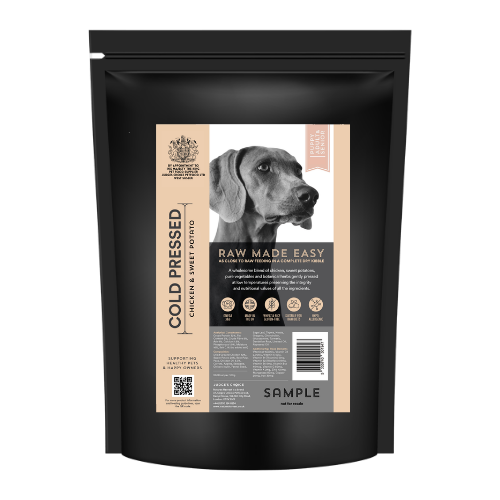
Chicken & Sweet Potato Cold Pressed. Start with a handy 200g sample.
Explore the 200g sample →Pick a topic, then open just the question you want answered.
Take a look at everything your dog eats during the day.
Treats, chews, table scraps and little extras can quickly add up, particularly for smaller dogs.
Your dog may simply not be hungry enough when dinner arrives.
Texture and aroma can make a big difference to some dogs.
Wet and dry foods feel, smell and taste very different, so a preference for one doesn't necessarily mean something is wrong.
Dogs can have preferences just like we do.
A clearly identified protein such as chicken, lamb, salmon or fish makes it easier to discover which recipes your dog enjoys.
Constantly replacing an unfinished meal with something more exciting can unintentionally teach a dog that refusing dinner leads to a better offer.
Routine can be just as important as what's in the bowl.
That's different.
If a normally enthusiastic eater suddenly loses their appetite, don't simply assume they're becoming fussy.
Pain, dental problems, digestive problems, stress and illness can all affect appetite.
There is no single ingredient guaranteed to tempt every dog. Think about the whole eating experience.
Clearly identified proteins make it easier to discover which flavours your dog prefers.
Wet food is soft and moist. Cold Pressed offers dense pieces that can be served dry or softened with warm water.
If a food forms the main part of your dog’s diet, check that it is complete and suitable for their life stage. Follow the feeding instructions.
Once you find a food your dog enjoys and digests comfortably, settle into a predictable feeding routine.
Our wet foods are a natural place to start for dogs that prefer softer textures and plenty of aroma at mealtimes.
A complete wet food combining chicken with brown rice, vegetables and carefully selected ingredients.
Chicken is a familiar protein for many dogs and the soft wet-food texture can be particularly appealing to dogs that aren't enthusiastic about dry food.
Why consider it?
• Clearly identified chicken
• Soft wet-food texture
• Wholegrain brown rice
• Complete adult food
• Available as a single tray
If traditional dry food isn't exciting your dog, Cold Pressed offers a different texture and aroma.
Nature’s Harvest Cold Pressed food is pressed rather than conventionally extruded and can be served straight from the bag or softened with warm water.
A complete chicken-based dry food made with sweet potato and carefully selected ingredients.
Why consider it?
• Clearly identified chicken
• Different texture from conventional kibble
• Grain-free recipe
• Complete food
• Can be served dry or softened
• 200g sample available
Explore the full Chicken & Sweet Potato Cold Pressed recipe.
Another complete wet-food option with clearly identified lamb, brown rice and a soft texture. Try a single tray to discover whether this is one of your dog’s favourites.
• Clearly identified lamb
• Soft wet-food texture
• Brown rice
• Complete adult food
• Available as a single tray
A fish-based complete wet food with salmon, white fish, brown rice and vegetables. Another distinct flavour for dogs who enjoy fish.
• Salmon and white fish
• Soft wet-food texture
• Brown rice
• Complete adult food
Ocean Fish & Sweet Potato Cold Pressed offers a complete fish-based dry option, served dry or softened with warm water. Explore Ocean Fish Cold Pressed or browse the samples.
For a healthy adult dog who is selective, consistency can help.
The aim is a calm, predictable routine. Don’t deliberately wait for your dog to become extremely hungry to overcome fussiness.
A little variety can be enjoyable, but constantly replacing refused meals with something more exciting can encourage selective eating.
Once you know which recipes your dog enjoys and digests comfortably, aim for consistency. Rotate between familiar favourites if you wish, rather than continually introducing something new.
Extras contribute calories too and can affect the nutritional balance of the overall diet.
Not necessarily. They may not be hungry, particularly if they have already had plenty of treats, chews or extras.
Continuously replacing refused meals can reinforce selective behaviour. Find a complete food they enjoy and establish a consistent routine.
Some dogs prefer wet food’s aroma and texture; others prefer dry food. Choose a nutritionally appropriate format your individual dog eats well.
Don’t rely on this. A genuine loss of appetite can indicate illness. If your dog’s eating habits change or they refuse food completely, speak to your vet.
Treats, toppers and scraps contribute calories and nutrients. Count them as part of your dog’s total daily food.
There isn’t one food every dog will prefer. Taste, aroma and texture vary. Find a complete food your dog enjoys and establish a consistent routine.
Some selective dogs prefer wet food’s soft texture and aroma; others prefer dry food. Try a single tray before buying larger quantities.
First check that they are healthy and aren’t filling up on extras. Regular meals, appropriate portions and a quiet feeding area can help. Speak to your vet if their appetite changes.
For some selective dogs, set mealtimes help create a predictable routine and make it easier to monitor how much they eat. Follow storage and feeding guidance.
Repeatedly upgrading refused meals can encourage a dog to wait for something tastier. Extras also add calories and can affect dietary balance.
Wet food served closer to room temperature can have more aroma. Add a little warm water to suitable dry foods such as Cold Pressed. Never serve food hot.
A sudden appetite change can be caused by pain, dental problems, stress, digestive upset or illness. Speak to your vet rather than assuming it is fussiness.
Possibly, or they may be filling up on extras. Check everything they eat during the day and monitor weight and behaviour. Accepting treats does not rule out a health problem.
There is no need for a different recipe every day. If they enjoy several suitable recipes, rotate familiar favourites and introduce changes gradually.
Don’t deliberately wait for extreme hunger to overcome fussiness. Contact your vet if your dog refuses food completely or has an unexplained change in appetite.
Contact your vet if your dog’s normal eating habits change, they refuse food completely, lose weight, vomit, have diarrhoea, seem lethargic, have difficulty chewing or swallowing, appear painful when eating, or drink significantly more or less than usual.
Seek advice sooner for puppies, elderly dogs or dogs with an existing medical condition. Don’t deliberately wait for extreme hunger to overcome fussiness.
Read PDSA’s advice on appetite changes →